How we fund climate resilience
Three climate hazards
We fund practical solutions that help communities prepare for, withstand and recover from three climate hazards that are already reshaping lives across the Global Majority.
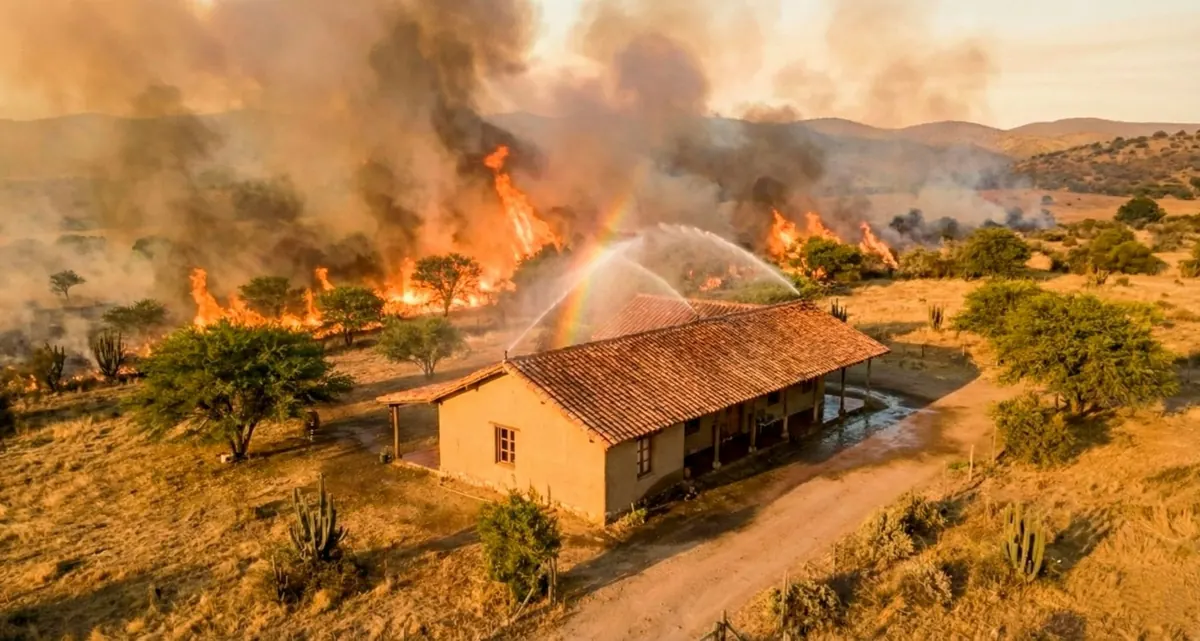
Extreme heat
Rising temperatures threaten health and livelihoods, above all for outdoor workers and people in informal settlements. We fund cooling shelters, heat early warning and urban greening.
See projects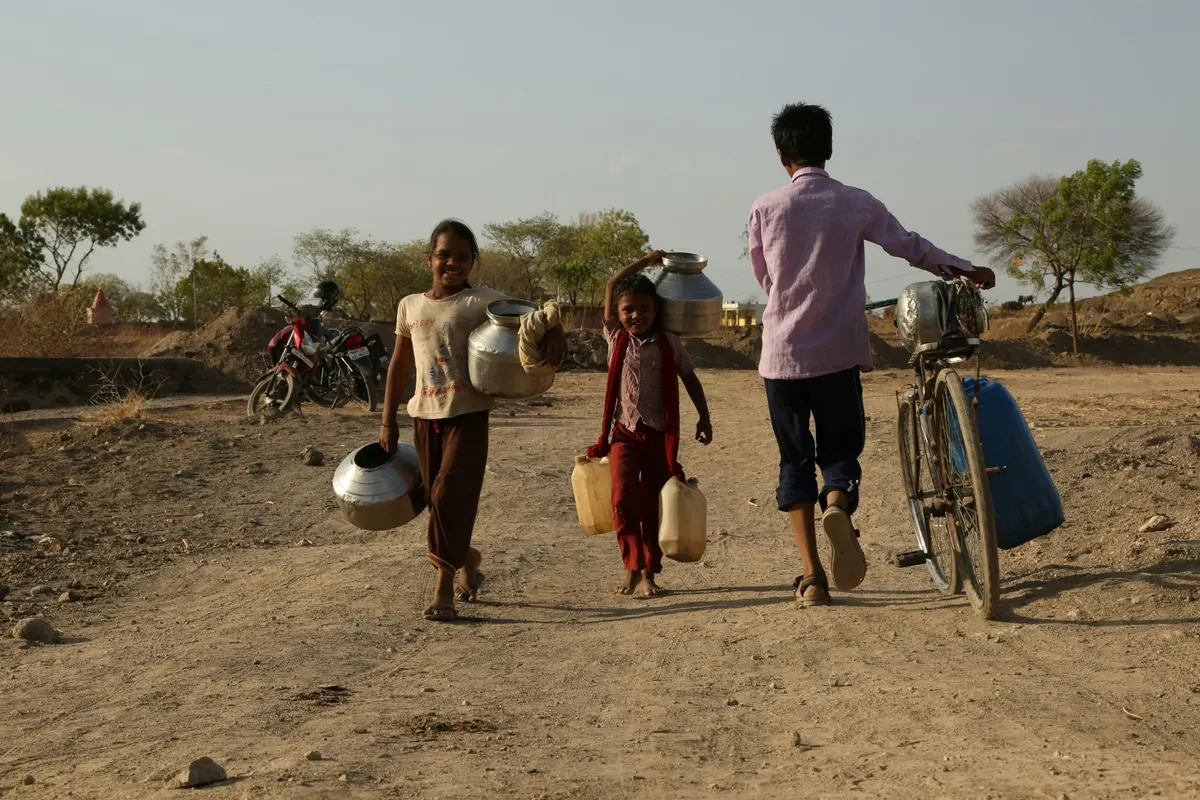
Drought and water scarcity
Longer dry spells undermine food security and water supply. We fund watershed restoration, community water storage and drought insurance for farmers.
See projects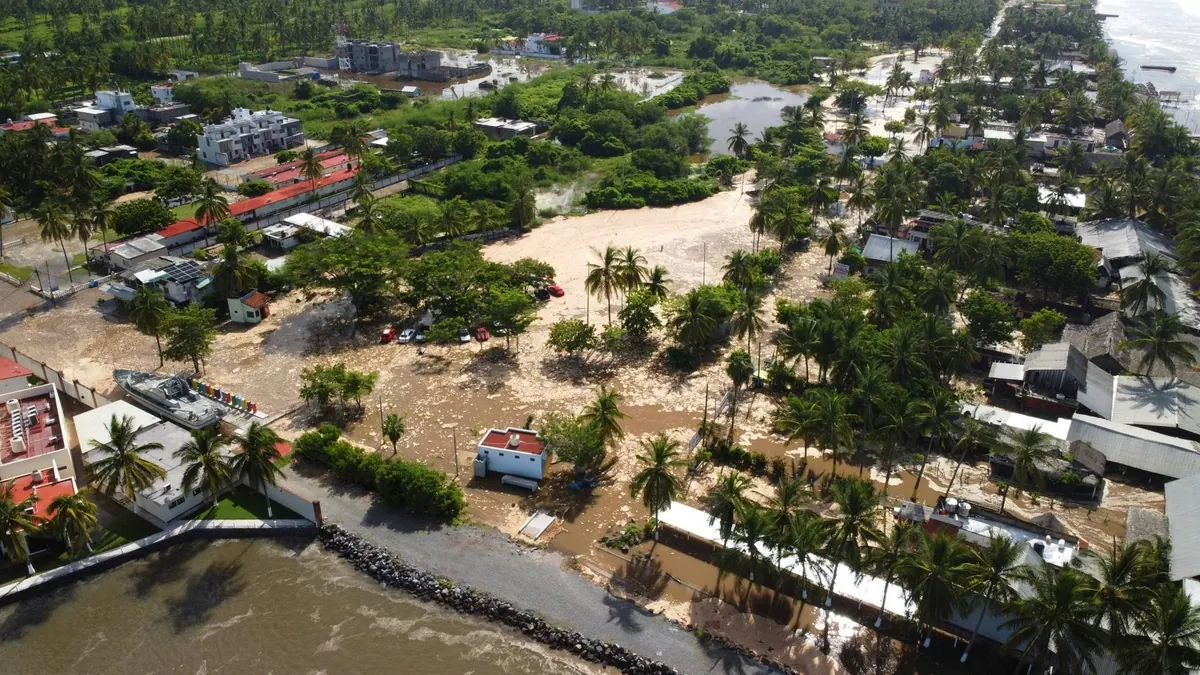
Coastal hazards
Sea level rise, storms and erosion damage coastal ecosystems and drive displacement. We fund mangrove restoration, storm early warning and new income for fishing communities.
See projects
Grantees may focus on adaptation alone, and are also encouraged to deliver mitigation or biodiversity benefits where doing so strengthens the project.
Three barriers, three pathways
Grassroots organizations face three barriers to lasting climate resilience. We respond through three pathways.
- Solutions that can be measured, replicated and scaled
We back approaches that can work elsewhere and document what works, so others can adopt them.
- Financial independence for grantees
Flexible core funding, financial skills and peer networks help grantees win larger funding on their own.
- Catalytic capital
Early, risk-tolerant grants help promising solutions build the track record investors need.
Grassroots organizations across the Global South sustain, replicate and scale climate resilience solutions, with diverse sources of funding and less dependence on short grant cycles.
Reporting should never get in the way of the work
Grantees send a short update every three months and a full report once a year, by WhatsApp, web form or email, in any language. Every report is assessed against the same set of criteria:
- Co-financing raised
Capital raised alongside the GMRF grant.
- Reduced climate risk
Lowering the hazard, reducing exposure, or strengthening people's ability to cope.
- Economic impact
Such as income protected.
- Non-economic impact
Such as illness and displacement avoided.
Grantees can write in their own words or use a structured template. Our team reviews every submission, and we use grantee information only with their informed consent.
What we look for
- Grassroots and locally led
Organizations rooted in the communities they serve.
- Global South focus
Over 80% of grants go to organizations in Africa, Asia, and Latin America and the Caribbean. Vulnerable diaspora and Indigenous communities in the Global North are also eligible. We encourage North–South and South–South partnerships.
- Transferable
Approaches that could work in other places or against other hazards.
- Clear pathway to lasting impact
A credible plan for what happens after the grant, whether that is further funding, income generation or wider adoption.